
Who We Are
A nonprofit rooted in heritage, service, and community.
Charotar Leuva Patidar Samaj, known as CLiPS, is a nonprofit California corporation organized for charitable and public purposes, not for the private gain of any individual.
CLiPS exists to preserve and promote Indian culture, history, and heritage, with a special focus on passing the rich heritage of Leuva Patidars from the Charotar region of Gujarat to younger generations through meaningful community activities.
Founding Story
How CLiPS started in San Jose.
In the 1970s, Charotar Patels were still rare in the San Francisco Bay Area. As more families settled in the South Bay, community leaders saw a growing need to preserve Charotar identity, connect families, support youth, and create a stronger community voice.
1974
Early South Bay Roots
Ramesh D. Patel moved to San Jose in August 1974, when there were very few Indians, Gujaratis, and especially Charotar Patels in the area.
1989
The Seeds Were Planted
At the request of many in the community, Ramesh D. Patel and other leaders began drafting the Articles of Incorporation and By-Laws for a new nonprofit organization.
1990
First CLiPS Picnic
CLiPS held its first picnic event in the summer of 1990, helping bring Charotar Leuva Patidar families together in the South Bay.
1992
First Community Directory
After years of work by many volunteers, CLiPS published its first Charotar Patidar directory, distributed across the USA, India, and the UK.
Founder
Ramesh D. Patel
Founder and Incorporating President
Ramesh D. Patel helped lead the effort to formally establish CLiPS as a nonprofit organization, working with early community leaders to draft the Articles of Incorporation, By-Laws, and founding structure.
Why It Mattered
Preserving identity for the next generation.
As Charotar Patidar families became more spread out across the United States, CLiPS created a way for families to connect, preserve cultural identity, support matrimonial and social needs, and pass community values to younger generations.
The early vision was practical and ambitious: build a directory, create stronger social ties, connect with other CLiPS organizations, support families in times of need, and eventually establish a community center in the South Bay.
Founding Board
The first incorporating board.
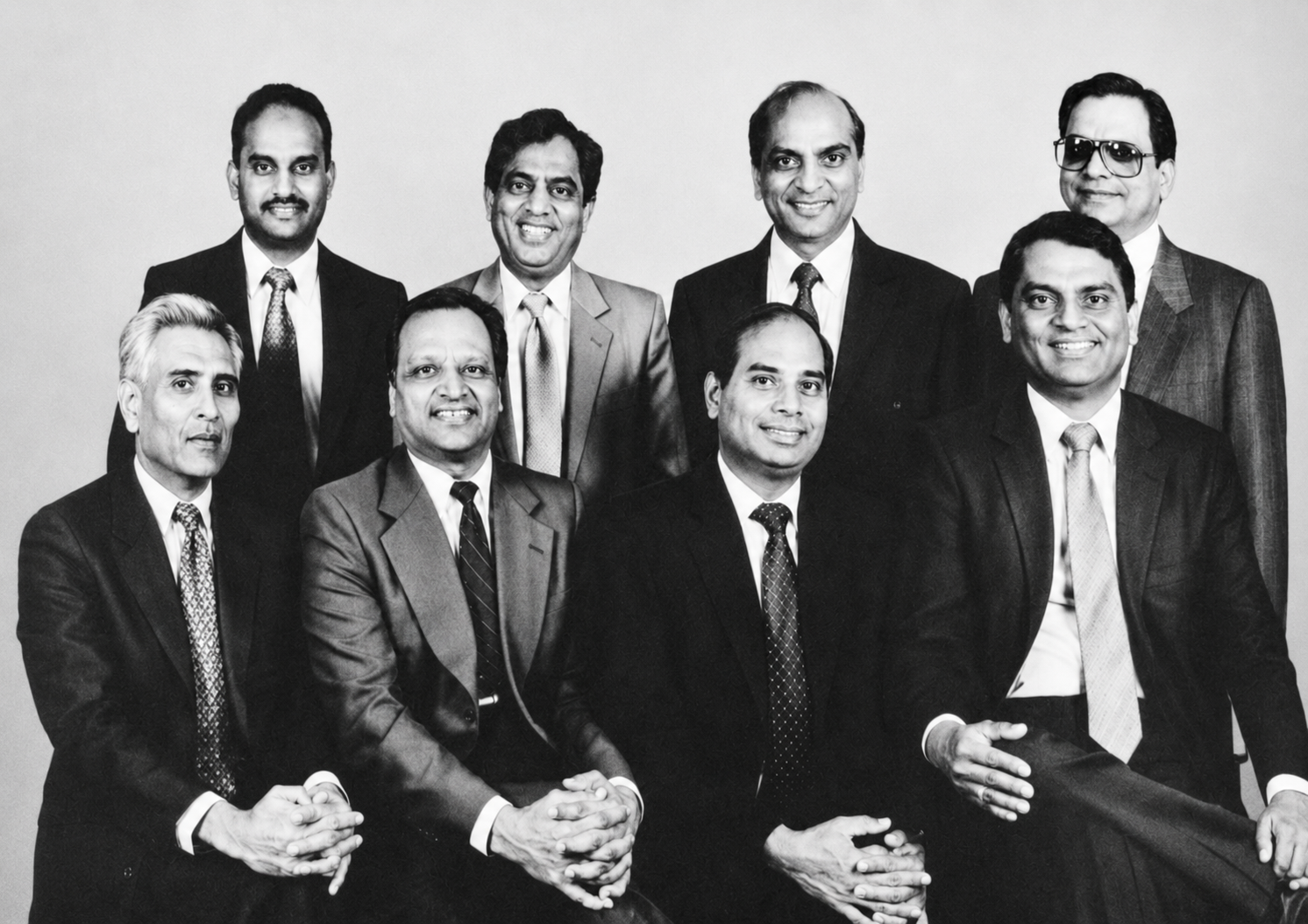
CLiPS was established by a dedicated founding board of community leaders who helped turn the vision into an organization.
Ramesh (RD) Patel
President
Suryakant M. Patel
Vice President
Pravin J. Patel
Treasurer
Indu D. Patel
Secretary
Niranjan D. Desai
Joint Secretary
Bhupendra F. Patel
Director
Jayantibhai C. Patel
Director
Natubhai Patel
Director
Jayanti M. Patel
Director
Arvind C. Desai
Director
Punam P. Patel
Director
Goals & Objectives
What CLiPS works to accomplish.
The organization’s goals center around culture, connection, service, leadership, and long-term community continuity.
Preserve Heritage
Create and pass on cultural values, Charotar identity, and community legacy to future generations.
Strengthen Community
Strengthen social bonds among CLiPS Patidars and build connections with other Indian communities.
Support Families
Provide social, matrimonial, cultural, and community support services that help families stay connected.
Serve in Times of Need
Promote moral and financial support for the Patidar community and others during crises, disasters, or natural calamities.
Build Programs
Develop youth programs, women’s activities, Evergreen Club support for elders, and community events for all ages.
Plan for the Future
Develop community databases, coordinate with other CLiPS organizations, and support long-term goals like a South Bay community center.
Heritage
Our History
Explore the story, migration, traditions, and cultural roots of the Charotar Leuva Patidar community through this historical archive.
Nonprofit Governance
Organized for charitable purposes.
CLiPS is organized and operated exclusively for charitable purposes within the meaning of Section 501(c)(3) of the Internal Revenue Code.
No substantial part of the organization’s activities shall consist of propaganda or attempts to influence legislation. The organization shall not participate or intervene in any political campaign on behalf of any candidate for public office.
The powers, affairs, and assets of the corporation are governed and managed by the board members.